this article focuses on "discussion on the integrated design method of the location of the german railway signal room and anti-theft and disaster prevention measures". based on german railway operation and engineering practice, it puts forward systematic discussions and suggestions on the location of the signal room, physical and electronic protection, disaster prevention and damage tolerance, and integrated design methods, aiming to provide executable reference for related design and evaluation.
overview of the location of the german railways signal room
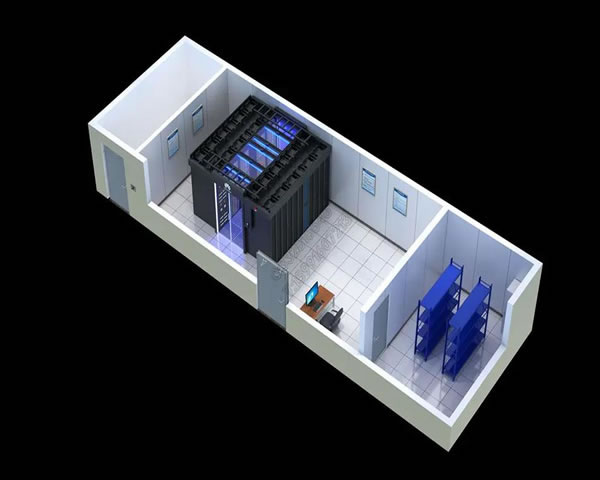
german railway signal equipment rooms are usually located near stations, sections, control centers and key contact points. the location selection takes into account line accessibility and maintenance convenience. the location of the machine room needs to be planned in conjunction with the layout of signaling equipment, communication optical cables, and power supply systems to ensure that signal transmission delays and fault recovery times are minimized to ensure train operation safety and dispatching efficiency.
site selection principles and surrounding environment considerations
site selection principles include avoiding high flood risk areas, staying away from flammable and explosive places, and considering geological stability and transportation convenience. the surrounding environment must assess the security situation, historical records of natural disasters, and land use change risks, and combine urban planning and reserved space for railway expansion to form a long-term stable location decision that is convenient for emergency response.
overall design ideas for anti-theft measures
the anti-theft design is based on "prevention first, multi-layer protection" as the core, which requires both physical isolation and the integration of electronic monitoring and management systems. through partition protection, redundant access control, reinforced structure and transparent monitoring strategies, we reduce the risk of human intrusion and internal irregularities and ensure the integrity and availability of equipment and data.
physical protection: fencing, access control and structural design
physical protection includes high-standard fencing, vandal-resistant doors and windows, anti-pry door locks and differentiated access control zones. the structural design of the computer room must take into account the requirements for anti-vandalism, fire protection, and waterproofing. impact-resistant and dust-proof materials should be used in key parts, and emergency exits and easy rescue channels should be reserved to improve the overall risk resistance.
electronic monitoring and alarm system integration
electronic monitoring covers high-definition video, infrared sensing and intrusion detection linkage alarms, and combines access control logs with vehicle entry and exit records to achieve longitudinal traceability. the alarm system should be connected with the remote operation and maintenance platform and local emergency contact mechanism, support multiple alarm channels and automated fault isolation, and improve response speed and evidence collection capabilities.
disaster prevention measures: earthquake resistance, fire prevention and drainage
disaster prevention design needs to cover three aspects: seismic reinforcement, fire protection zoning and effective drainage. based on local seismic zones, climate and rainfall distribution, and historical fire cases, corresponding design parameters are formulated to ensure that the functions of core signaling equipment can be maintained or rapid and safe shutdown and recovery can be achieved when natural disasters occur, reducing the risk of operational interruption.
seismic resistance and structural strengthening strategies
anti-seismic strategies include base isolation, equipment shock-absorbing supports and flexible connections of key systems, using isolated bases and fixed seats when necessary. the design should comply with local seismic regulations, focusing on protecting control cabinets, power modules, and communication optical cable interfaces to ensure that critical signal paths can be quickly inspected and restored after an earthquake.
fire partition and automatic fire extinguishing system
the fire protection design should be divided into functional fire protection zones and use non-combustible materials, equipped with detection and automatic fire extinguishing systems (gas fire extinguishing or local dry powder), and implement heat source management and cable fire protection bridges. fire linkage should be able to automatically cut off non-critical power and notify the dispatch center to prevent the spread of fire from affecting signal continuity.
integrated design method for anti-theft and disaster prevention
the integrated approach emphasizes "risk-driven, hierarchical implementation, and system integration." it determines key protection objects through risk assessment, applies physical and electronic measures of different strengths according to importance, and realizes the interconnection and mutual support of monitoring, alarm, power supply, fire protection, and communications in the design, forming a collaborative response system and improving overall resilience.
key points for safety acceptance in construction and operation and maintenance
during the construction phase, protection rules must be followed, and on-site joint debugging and functional acceptance of monitoring, access control and fire-fighting equipment must be implemented. during the operation and maintenance phase, regular inspections, log audits, and emergency drill mechanisms are established to ensure the availability of spare parts and redundant resources. acceptance should include actual combat drills and fault recovery tests to verify the operability of the integrated design.
conclusion and recommendations
regarding the "discussion on the integrated design method of where to find the german railway signal machine room and anti-theft and disaster prevention measures", it is recommended to use scenario-based risk assessment as the starting point, and combine site selection, physical protection, electronic monitoring and disaster prevention projects to achieve hierarchical and integrated design; joint debugging and drills should be emphasized during construction and operation and maintenance to ensure system availability and rapid recovery capabilities, thereby improving the overall safety and reliability of the railway signaling system.

- Latest articles
- Practical Tips for Identifying Common Scams When Buying Japanese Original IPs and Avoiding Being Scammed
- Price Comparison: Renting Independent Servers in Malaysia – Quotes from Various Data Center Providers
- Example test: Where are the fastest US cloud servers? Real speed reports from different providers
- Troubleshooting guide: Checklist of steps to figure out why a Hong Kong VPS can’t access websites in Hong Kong
- Risk Warning: Hidden Costs and Limitations of Free Cloud Server Services in Hong Kong
- How to evaluate the cache hit rate performance of Taiwan’s CDN CN2 in different regions
- Which VPS provider in Malaysia is the best? A comprehensive comparison based on price-performance and after-sales support
- Detailed Explanation of Factors to Consider When Choosing a Data Center in Singapore: The Impact of Singapore CN2 VPS on Access Speed
- Where are Malaysia’s WeChat servers located? Geographical factors that affect message delivery speed
- Advantages of Hong Kong’s native IPs in supporting cross-border work and distance education at airports
- Popular tags
-
practical experience of cross-departmental collaboration in determining where the german railway signaling room should be located
this paper summarizes the practical experience of cross-department collaboration in determining the location of the german railways signal equipment room, covering division of responsibilities, on-site investigation, regulatory approval, environmental assessment and information sharing, and provides actionable suggestions. -

how to apply german computer room innovation results to domestic computer room construction and operation and maintenance practices
this article systematically explains how to apply german computer room innovation results to domestic computer room construction and operation and maintenance practices, including energy efficiency optimization, modular construction, intelligent operation and maintenance, safety compliance and implementation steps, and provides executable localized suggestions. -
The impact of German server hosting on corporate websites
This article discusses the impact of German server hosting on corporate websites, including website speed, data security, compliance and other aspects.